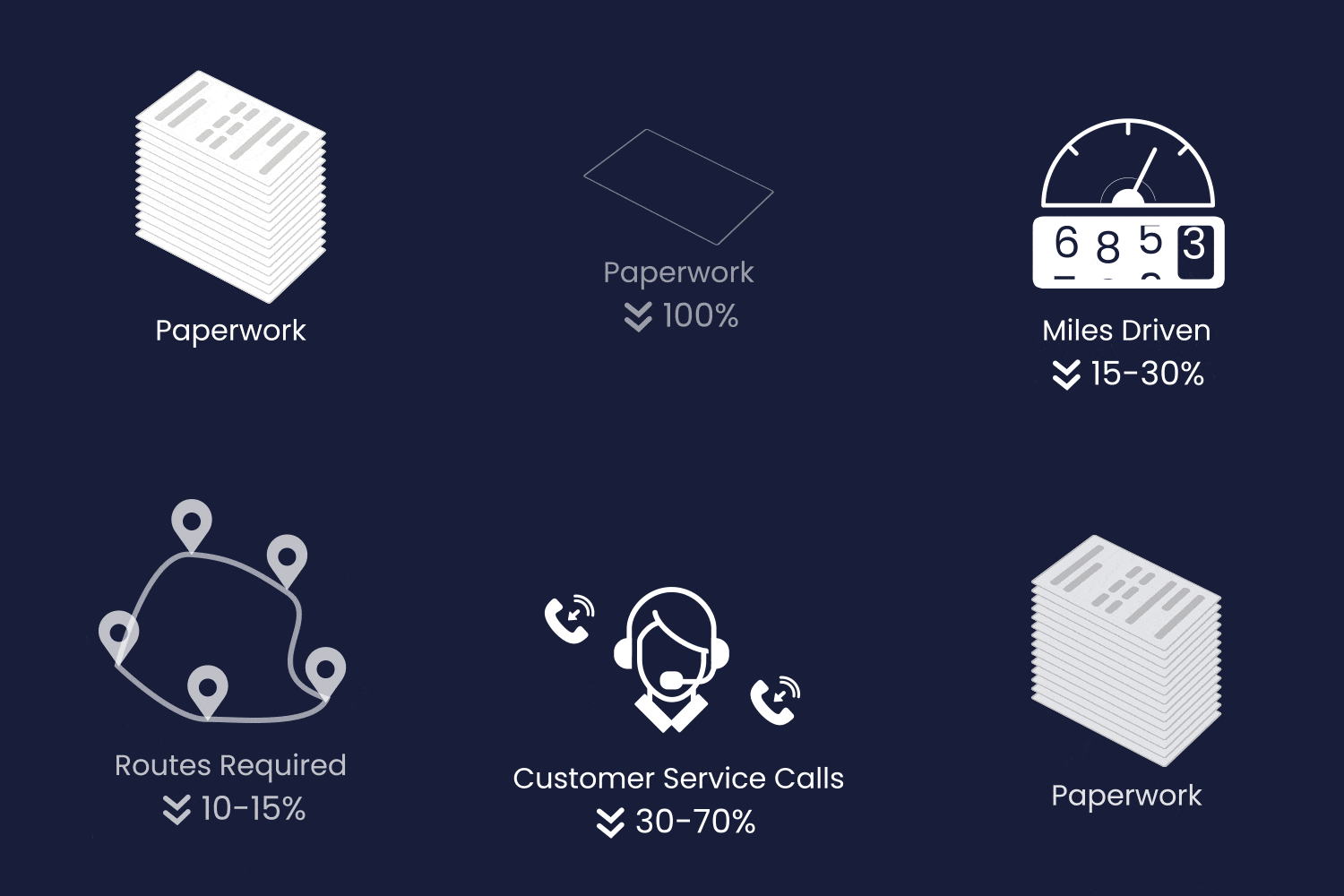
In an era of hyper-distributed supply chains and shifting customer channels, traditional last-mile planning is facing severe operational friction. Logistics operations that once relied on isolated dispatch routines must now continuously coordinate across internal fleets, third-party logistics (3PL) partners, cross-dock terminals, and complex financial systems. For true enterprise operations, basic “point A to point B” route optimization is no longer sufficient; it has evolved into a need for comprehensive Enterprise Distribution Intelligence.
To build faster, smarter delivery routes that withstand real-world constraints, leading enterprises are shifting away from static software configurations and embracing dynamic Operational Intelligence. Backed by independent research and more than 15 years of institutionalized logistics expertise across healthcare, automotive, retail, and pharmaceutical networks, here are the seven advanced strategies required to master enterprise distribution complexity.
7 Ways to Build Faster, Smarter Routes
To stay ahead of volatile demand, modern logistics operations must move away from manual coordination and legacy freight tools. True routing maturity means treating the last mile as a connected, real-time ecosystem rather than an isolated morning math problem. By leveraging specialized enterprise functionality out of the box, logistics leaders can automate dispatching, reduce workforce friction, and significantly shrink delivery windows.
The following are the 7 ways to orchestrate your delivery network for maximum speed and efficiency:
1. Transition to Continuous Execution and Mid-Route Re-Optimization
A static route plan is only accurate until the driver exits the warehouse gate. For true routing efficiency, enterprise operations must shift from rigid, predefined schedules to a model of continuous execution that adapts as real-world constraints emerge in the field.
Moving Beyond Static Morning Dispatches
Legacy route planning tools typically calculate vehicle paths once a day before drivers leave the warehouse. However, these static morning schedules degrade almost immediately when confronted with sudden road closures, order cancellations, or emergency pick-up requests mid-transit.
Algorithmic Path Adjustments on the Fly
Smarter routing requires a platform capable of continuous execution. Instead of forcing dispatchers into manual, high-stress re-planning, next-generation platforms leverage real-time routing engines to dynamically update optimal paths while drivers are already on the road. This algorithmic agility allows operations to seamlessly absorb unexpected, high-priority orders—such as STAT medical courier requests—without throwing off existing arrival windows or breaking customer service level agreements (SLAs).
2. Implement Cross-Dock Synchronization via Network Digital Twins
Modern enterprise distribution network routes rarely start and stop at a single facility. To avoid massive bottlenecks, logistics teams need complete visibility into every intermediate terminal handoff and cross-dock platform across the entire supply chain network.
Eliminating Terminal and Hub Blind Spots
High-volume enterprise networks rarely feature simple, single-leg delivery journeys. Goods frequently move through a complex web of regional hubs, cross-dock facilities, pharmacy distribution points, or carrier terminals before embarking on the final mile. Legacy planning systems treat these facilities as data blind spots, causing severe warehouse bottlenecks and prolonged driver dwell times.
Orchestrating the Handoff
By constructing a complete “digital twin” of the physical logistics network, enterprise systems achieve end-to-end visibility across complex handoffs. Algorithmic cross-dock synchronization ensures that incoming line-haul schedules align precisely with final-mile driver dispatches. For specialized networks—such as major healthcare logistics operations coordinating over 15 aircraft across multiple air bases—this exact synchronization bridges the gap between ground and air movements to maintain continuous traceability.
3. Unify Fleet Assets with Multi-Carrier and 3PL Orchestration
Relying strictly on an internal fleet restricts your ability to scale capacity dynamically. Building a smarter routing ecosystem requires pulling internal assets, third-party logistics (3PL) partners, and external carriers under a unified technical umbrella.
The Complexity of the Hybrid Fleet
To control last-mile costs and scale seasonal capacity, modern enterprises rarely rely solely on an internal fleet. Instead, they deploy a hybrid network combining dedicated company drivers, contract carriers, and external 3PL providers. Managing these disjointed ecosystems across multiple distinct software applications fragments data, obscures ETAs, and introduces deep administrative friction.
A Single Pane of Glass for Diverse Networks
Building smarter routes requires normalizing multi-carrier and 3PL data into a unified platform. By consolidating these disparate systems into a single control tower, logistics managers can seamlessly route deliveries across external networks while enforcing standardized driver compliance and capturing electronic Proof of Delivery (ePoD) uniformly. This eliminates tracking gaps and ensures a consistent brand experience at the customer’s doorstep, regardless of who operates the physical vehicle.
4. Interleave Drop-offs and Pickups for Closed-Loop Reverse Logistics
Isolating outward fulfillment from inbound returns creates massive operational inefficiencies. Smarter route structures actively look for opportunities to blend forward and reverse logistics to maximize driver utility per mile traveled.
The Friction of Secondary Return Routes
Running isolated routes for standard product deliveries and subsequent returns creates massive operational waste. Dispatching separate vehicles to the same geographic clusters doubling back on mileage drives up fuel costs and squanders valuable driver capacity.
Algorithmic Interleaving and Chain of Custody
Advanced route execution models counter this inefficiency by interleaving drop-offs and complex reverse pickups into a single, cohesive trip sequence. In highly regulated verticals like healthcare or high-value retail asset recovery, these interleaved routes must be bound by strict compliance parameters. Integrating mobile barcode scanning, handheld check-ins, and temperature-sensitive tracking directly into the driver workflow preserves an immutable chain of custody at every physical handoff point along the route.
5. Leverage Machine Learning for Predictive Dwell Times
Relying on uniform time blocks for every stop on a route map is a fast track to missed arrival windows. Smarter delivery paths are built using predictive operational data that accounts for real-world delays before they hit your drivers.
The Flaw in Fixed Stop Allowances
A primary reason optimized route plans fail in the field is the assumption of uniform stop duration. Treating a delivery to a clear, open loading dock the same as a drop-off requiring security clearance or deep building access results in cascade delays that compound throughout the day.
Anticipating Backroom and Loading Dock Bottlenecks
Rather than relying on flat time estimates, smarter route planning platforms harness historical execution data via machine learning to power accurate Decision Intelligence. By analyzing past delivery patterns, the system automatically predicts location-specific delays, backroom receiver constraints, and terminal gate blockages before a vehicle is dispatched. Incorporating these granular operational insights directly into the initial plan yields reliable schedules that protect on-time delivery percentages.
6. Deploy Proactive Exception Management Instead of Reactive Tracking
Standard GPS breadcrumbs only tell you where a shipment went wrong after it is already late. To maintain high on-time performance levels, enterprises require automated systems that flag exceptions ahead of time.
Shifting from Dots on a Map to Smart Alerts
Standard GPS tracking merely shows where a delivery truck is delayed—it does nothing to prevent the failure. Passive monitoring forces customer service teams into a reactive posture, managing fallout only after a delivery window has been officially missed.
Resolving Bottlenecks Before the Customer Notices
True route optimization integrates live telematics with system-assisted, proactive alerts. If a vehicle encounters an unexpected delay at stop three, the system evaluates the downstream impact on stops four through ten in real time. If a future SLA violation is predicted, the platform automatically alerts operations teams, recalculates the remaining sequence, or triggers automated notifications to update the customer with precise, refreshed ETAs.
Discover how the right last-mile platform can improve efficiency across your delivery network. Explore the Solutions
7. Optimize Capacity Matching Across Varied Vehicle Archetypes
Routing efficiency depends heavily on assigning the correct asset to the correct environment. Smarter routing engines actively map cargo density and dimensions against vehicle restrictions to curb delivery overhead costs.
The Hidden Costs of Poor Asset Allocation
Routing efficiency depends heavily on the physical constraints of the fleet. Dispatching an oversized truck down narrow urban corridors results in severe navigation delays, while underutilizing a vehicle’s legal cargo capacity forces unnecessary duplicate trips, inflating cost-per-delivery metrics.
Dynamic Load and Route Balancing
Smarter route planning engines balance geographic paths alongside complex cargo dimensions, weight limits, and vehicle access restrictions simultaneously. By processing these structural variables out-of-the-box, the platform matches the absolute ideal vehicle archetype to the optimized route layout. This maximizes fleet utilization, ensures strict compliance with urban shipping regulations, and minimizes total network mileage.
Conclusion
Building faster, smarter routes is not merely a matter of adopting newer software features or chasing generic AI capabilities. True operational excellence stems from selecting a technology partner that possesses deep, institutionalized industry experience and translates that expertise directly into automated field execution.
When enterprise distribution operations transition from rigid, manual planning to agile orchestration, the business impact is definitive. By standardizing workflows, integrating hybrid carrier ecosystems, and automating mid-route updates, enterprises frequently unlock significant service transformations—including documented reductions in missed deliveries of up to 70 percent.
Schedule a Demo | Contact Us